
Skin Conditions
Scar
Correction
Advanced resurfacing and collagen-stimulating treatments that visibly reduce acne scars, smooth textural irregularities, and fade post-inflammatory marks — with results that build over time.
Understanding Scar Correction
Your Skin Can
Remodel Itself.
We Help It Along.
Scars form when the skin's normal healing process is disrupted — by inflammation, infection, or trauma that damages the dermis. The result is a structural change in the skin's architecture: too little collagen (atrophic scars), too much collagen (hypertrophic scars), or a pigmentation response (post-inflammatory hyperpigmentation).
The good news is that skin is remarkably capable of remodeling itself when given the right stimulus. Modern scar correction treatments work by triggering controlled healing responses — stimulating new collagen production, accelerating cell turnover, and gradually replacing damaged tissue with healthy skin.
Results from scar correction are cumulative and progressive. A single treatment produces some improvement; a series produces transformative change. We'll build a realistic protocol based on your scar type, skin tone, and goals — and set honest expectations for what's achievable.
4
Distinct scar and pigmentation types we address
80%
Of acne sufferers develop some degree of scarring
3–6
Sessions typically needed for significant atrophic scar improvement
6mo+
Of progressive collagen remodeling following a microneedling series
Types We Treat
Not All Scars Are the Same
Scar type determines treatment approach. Identifying exactly what you're dealing with is the first step toward a protocol that produces real results.
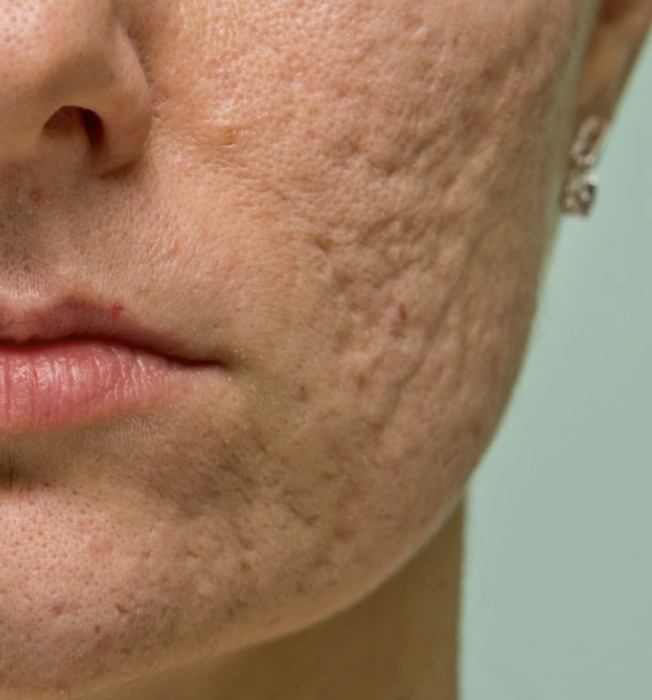
Atrophic Scars
The most common type of acne scar — depressed indentations in the skin caused by collagen loss during the healing process. Subtypes include icepick (deep, narrow), boxcar (wide, defined edges), and rolling (broad, wave-like depressions). Each responds differently to treatment and requires a tailored approach.
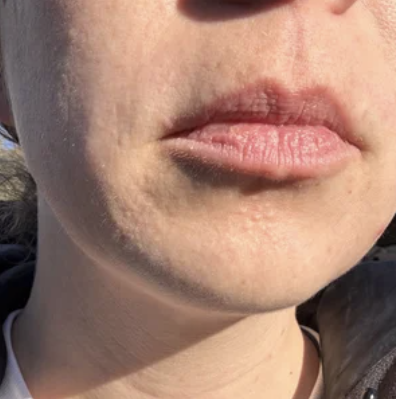
Hypertrophic & Keloid Scars
Raised scars that form when the body overproduces collagen during healing. Hypertrophic scars stay within the original wound boundary; keloids extend beyond it. Both are more common in darker skin tones and require careful, targeted treatment to flatten and soften without triggering further scarring.
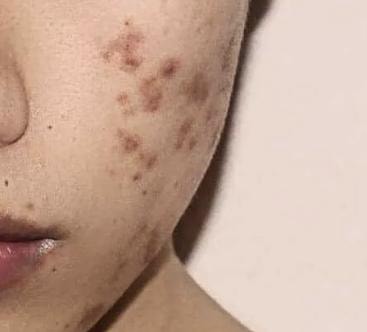
Post-Inflammatory Hyperpigmentation
Dark marks left behind after acne, injury, or inflammation — not true scars, but a pigmentation response. PIH is more common and more pronounced in medium to deep skin tones. While it fades on its own over time, targeted treatment significantly accelerates the process and prevents new marks from forming.
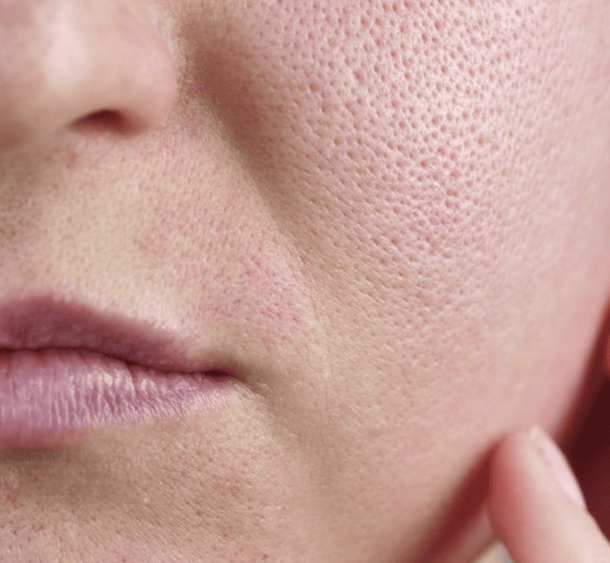
Textural Irregularities
Rough, uneven skin surface caused by enlarged pores, shallow scarring, or accumulated dead skin cells — often the result of years of congestion or acne. While not technically scarring, textural irregularities respond well to the same resurfacing treatments used for atrophic scars and significantly impact skin's overall appearance.
What to Expect
Scar Correction
Is a Process
The most important thing to understand about scar correction is that results are cumulative. Unlike a facial that produces immediate visible improvement, scar remodeling works at the level of the dermis — stimulating biological processes that take weeks to months to produce visible change.
This isn't a limitation — it's how lasting results are built. Each treatment session triggers a healing response; each healing response deposits new collagen; each round of new collagen gradually fills, smooths, and resurfaces the scar. By the end of a series, the cumulative effect is transformative.
We'll set clear expectations at your consultation — including realistic timelines, the number of sessions likely needed for your specific scar type, and what maintenance looks like after the initial series.
Pro Tip
SPF Is Non-Negotiable
UV exposure is the single biggest obstacle to scar correction results. Sun exposure darkens PIH dramatically, slows collagen remodeling, and can cause post-treatment hyperpigmentation in skin that's been recently treated.
Daily SPF 30+ application — every morning, year-round, regardless of weather — is the most important thing you can do to support your scar correction treatment plan. Without it, results will be slower, less dramatic, and harder to maintain.
We recommend a broad-spectrum mineral or hybrid SPF applied as the last step of your morning routine. If you're unsure which formula works best for your skin type, Nicole can recommend options through her Pomp Beauty store.
The Process
Treatments That Remodel and Resurface
Our scar correction protocols combine collagen-stimulating and resurfacing modalities to address both the structural and pigmentation components of scarring — with treatment plans customized to your scar type and skin tone.
The gold standard for atrophic scar remodeling
Microneedling
Controlled micro-injuries stimulate the skin's natural wound-healing response — triggering new collagen and elastin production that gradually fills in depressed scars and smooths textural irregularities. Results build progressively over a series of treatments, with the most significant improvement typically seen after 3–6 sessions.
Every 4–6 weeks, series of 3–6 recommended
Learn MoreResurfacing + pigmentation correction
Chemical Peels
Targeted chemical exfoliation accelerates cell turnover, resurfaces the upper layers of the skin, and addresses post-inflammatory hyperpigmentation. Particularly effective for shallow atrophic scars, textural irregularities, and PIH — and can be layered with other treatments for enhanced results.
Every 4–6 weeks as part of a series
Learn MoreAdvanced skin resurfacing + tightening
Jet Cold Plasma
Cold plasma technology delivers controlled energy to the skin surface, triggering a resurfacing and tightening response that improves scar texture, reduces pore size, and stimulates collagen remodeling. Effective for both atrophic scars and textural irregularities with minimal downtime.
As recommended at consultation
Learn MoreMulti-modality scar correction
Combination Treatment
For complex or multi-type scar presentations, our Combination Treatment layers complementary modalities in a single session — addressing collagen stimulation, resurfacing, and pigmentation correction simultaneously. Fully customized to your scar type, skin tone, and treatment goals.
As recommended at consultation
Learn MoreBetween Appointments
What to Do at Home
Professional treatments initiate the remodeling process — your daily routine determines how fast and how far results progress. These principles apply to all scar and PIH correction protocols.
Apply SPF 30+ every morning — UV exposure darkens PIH significantly and slows all scar healing; this is non-negotiable
Keep skin well-hydrated — a healthy moisture barrier supports the healing process and improves treatment outcomes
Never pick or squeeze active breakouts — the trauma dramatically increases the risk of scarring and PIH
Be patient: scar correction is a process measured in months, not weeks; consistency with both professional and home care determines results
Shop Pomp Beauty
Products That Support
Scar Correction
The right home care products can meaningfully accelerate your scar correction results — or slow them down if you choose the wrong ones. Nicole's Pomp Beauty store includes a curated selection of scar-supportive formulas: vitamin C serums, retinoids, SPF, and targeted brightening treatments that complement your professional protocol.
Every product is hand-selected for its efficacy and compatibility with post-treatment skin — the same formulas Nicole recommends to clients after their sessions.
Frequently Asked Questions
Your Questions, Answered
Get Started
Ready to Start
Rewriting Your Skin's Story?
Book a consultation and we'll assess your scar type, set realistic expectations, and build a treatment plan designed to produce lasting results.
Book a ConsultationOther Conditions We Treat