Conditions We Treat
Rosacea
Calm the redness, reduce reactivity, and take back control of your skin — with protocols designed specifically for rosacea-prone complexions.
Understanding the Condition
More Than Just Redness
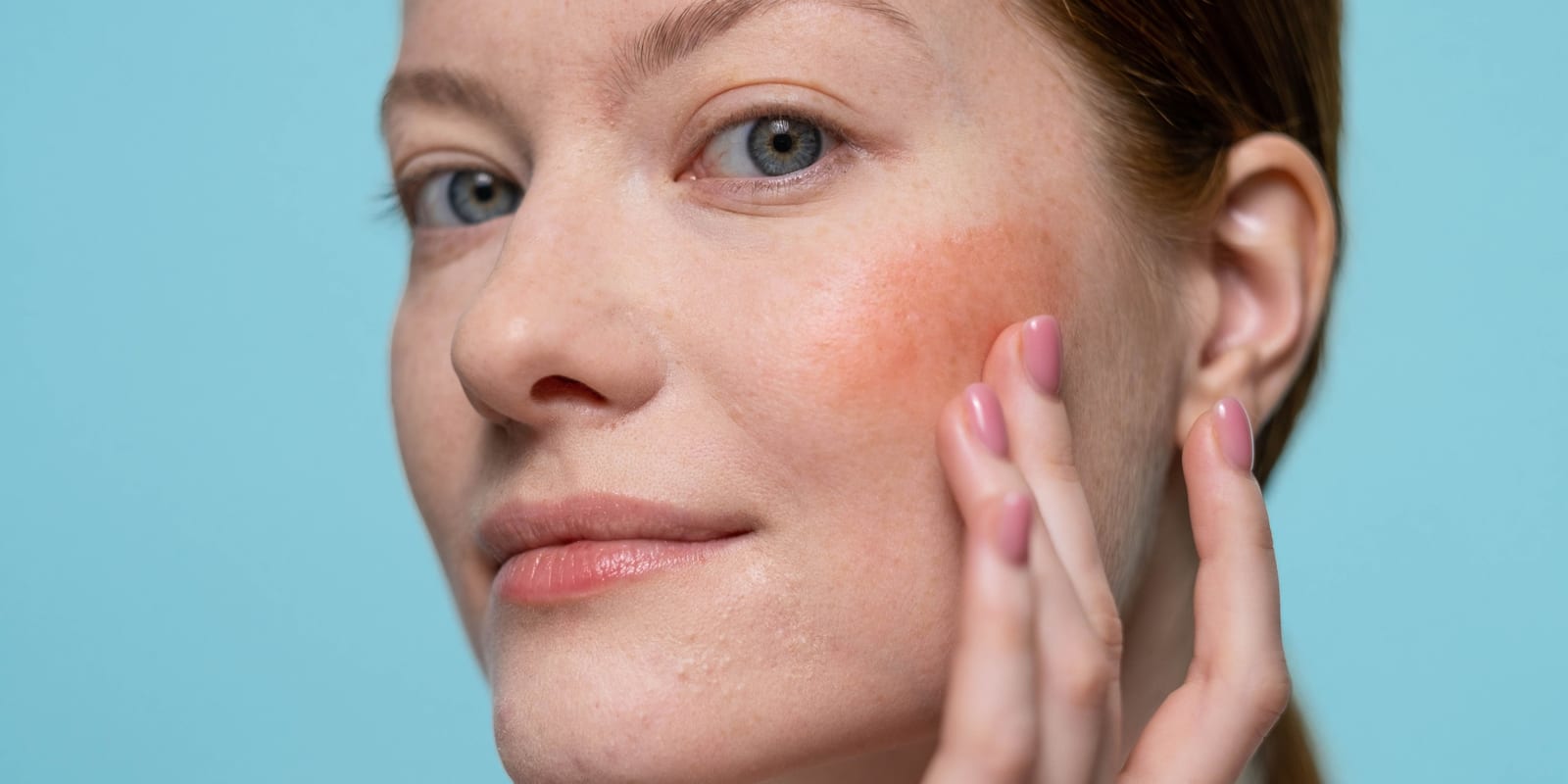
Rosacea is a chronic inflammatory skin condition that affects an estimated 16 million Americans — and is frequently misdiagnosed, undertreated, or managed with approaches that make it worse. It is not simply "sensitive skin" or a tendency to blush. It is a vascular and inflammatory disorder with distinct subtypes, each requiring a different treatment strategy.
The condition is characterized by persistent central facial redness, visible blood vessels, and a heightened inflammatory response to triggers that wouldn't affect normal skin. Left unmanaged, rosacea tends to progress — vessels become more visible, redness becomes more permanent, and the skin's barrier function continues to deteriorate.
At Skin And Care Med Spa, we approach rosacea with the nuance it requires. There is no single treatment that works for every subtype — effective management means identifying your specific pattern, understanding your triggers, and building a protocol that calms inflammation, repairs the barrier, and gradually reduces visible redness over time.
16M
Americans estimated to have rosacea — many undiagnosed
4
Distinct subtypes, each requiring a different treatment approach
95%
Of rosacea patients report reduced self-confidence due to their skin
0
Downtime with our rosacea-safe treatment protocols
Types of Rosacea
Identifying Your Subtype
Rosacea is not one condition — it is a family of related inflammatory disorders. Knowing which subtype you have is the first step toward a protocol that actually works. Many clients present with overlapping subtypes.
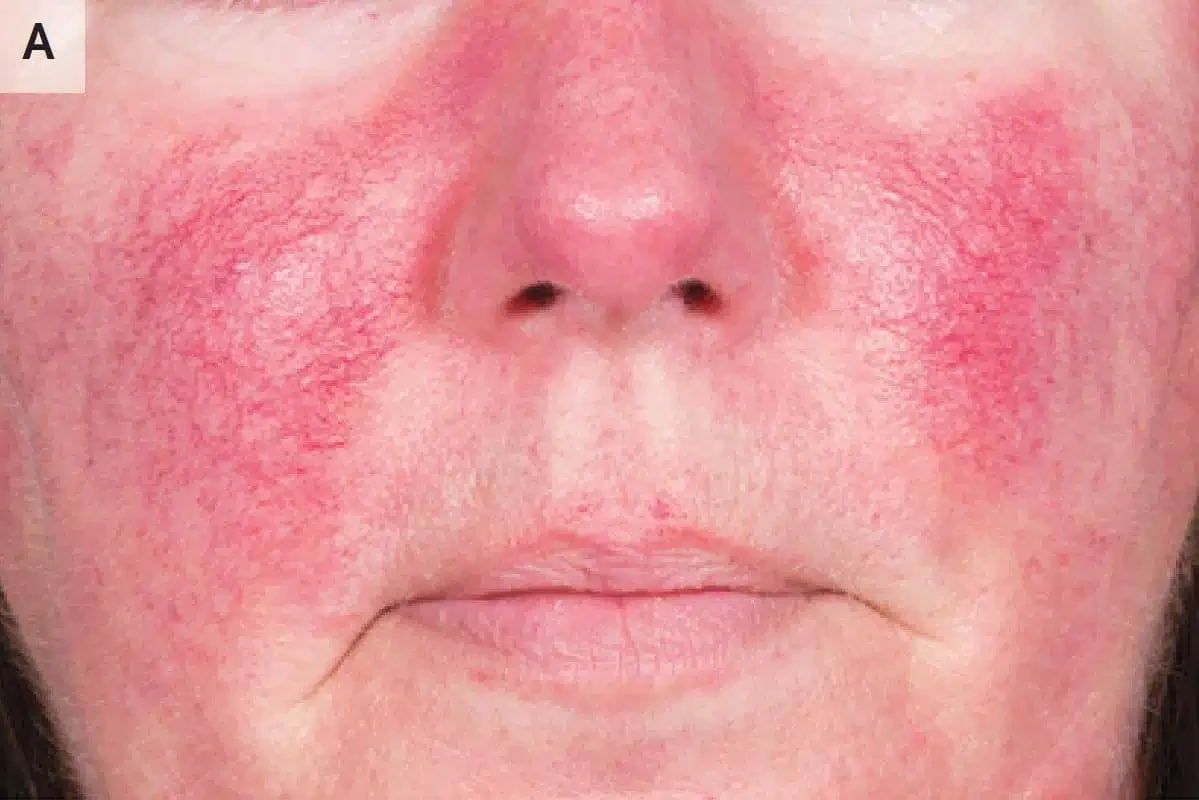
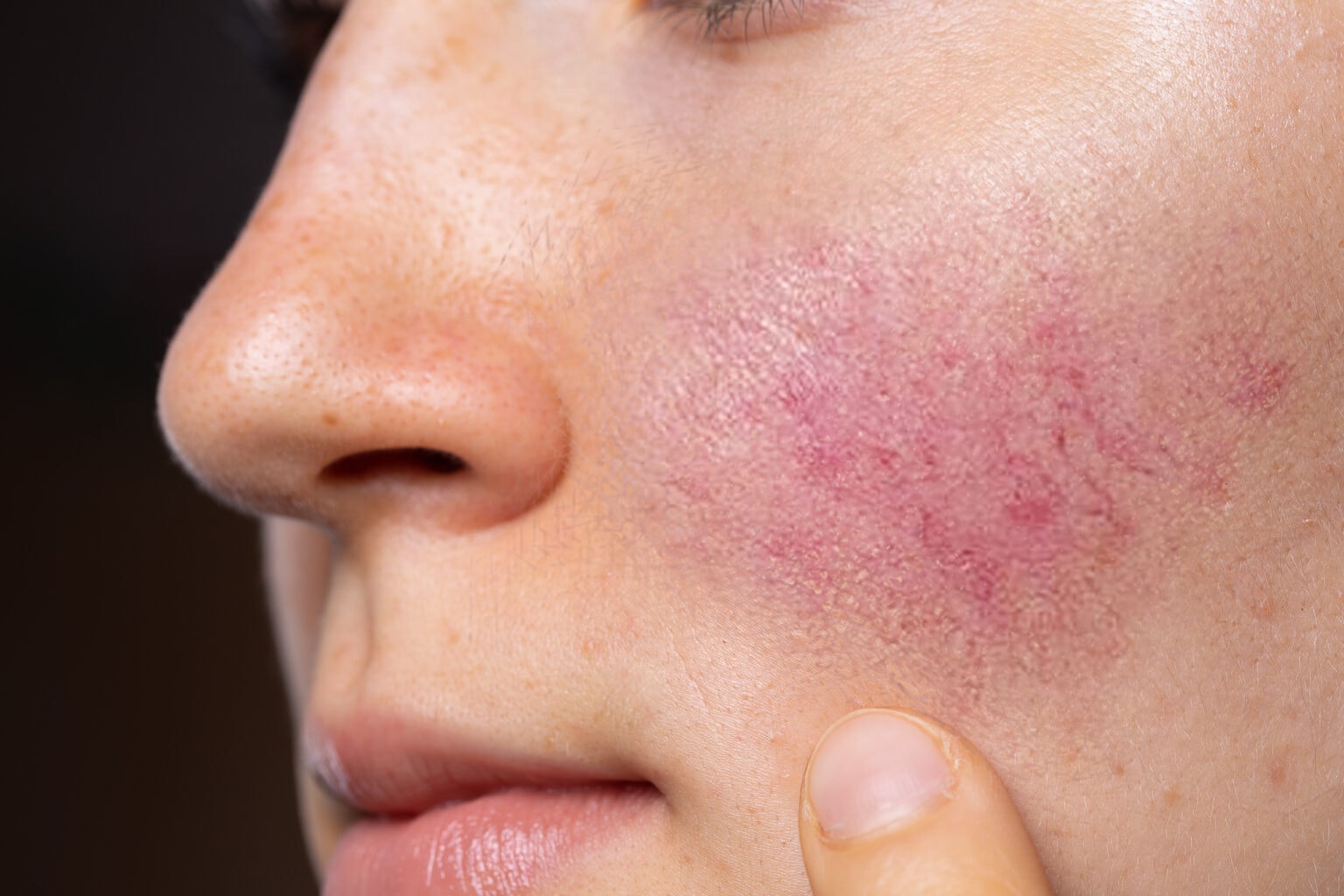
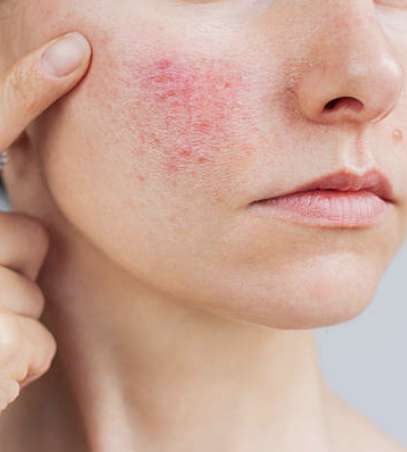
Erythematotelangiectatic Rosacea (ETR)
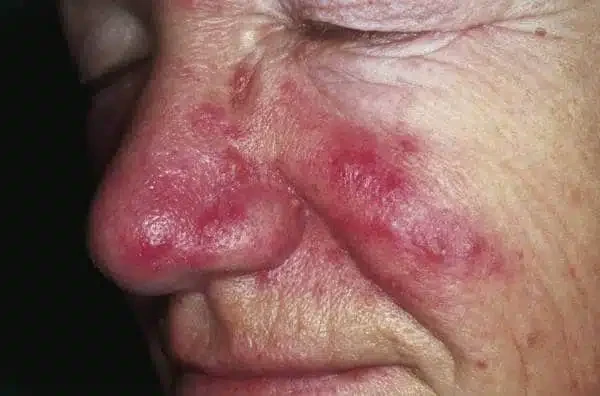
The most common subtype — characterized by persistent central facial redness, visible blood vessels (telangiectasia), and frequent flushing. Skin is often sensitive, reactive, and prone to stinging or burning with topical products.
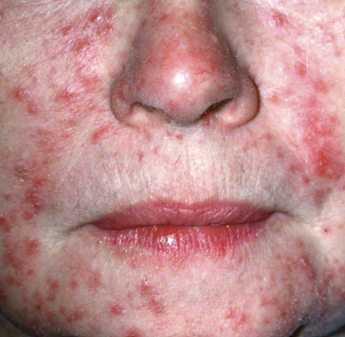
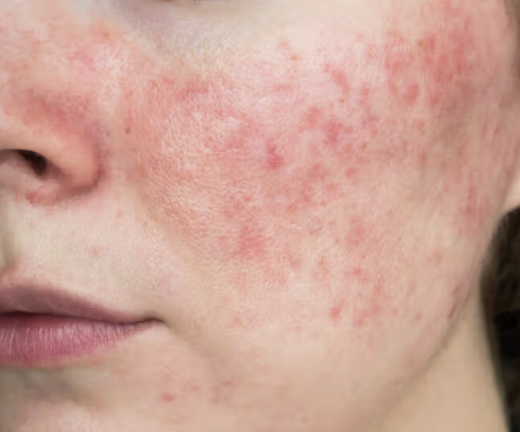
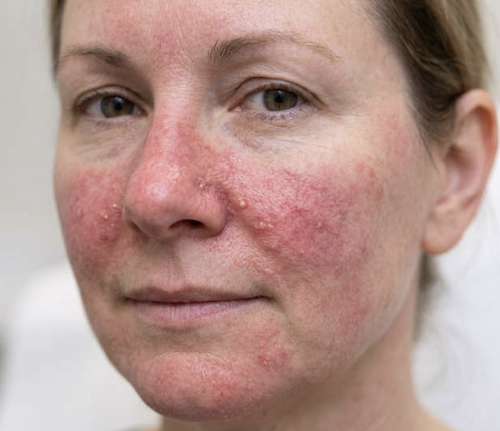
Papulopustular Rosacea
Presents with redness alongside acne-like breakouts — papules and pustules — in the central face. Often mistaken for acne, but requires a completely different treatment approach. Harsh acne treatments can severely worsen this subtype.
Phymatous Rosacea
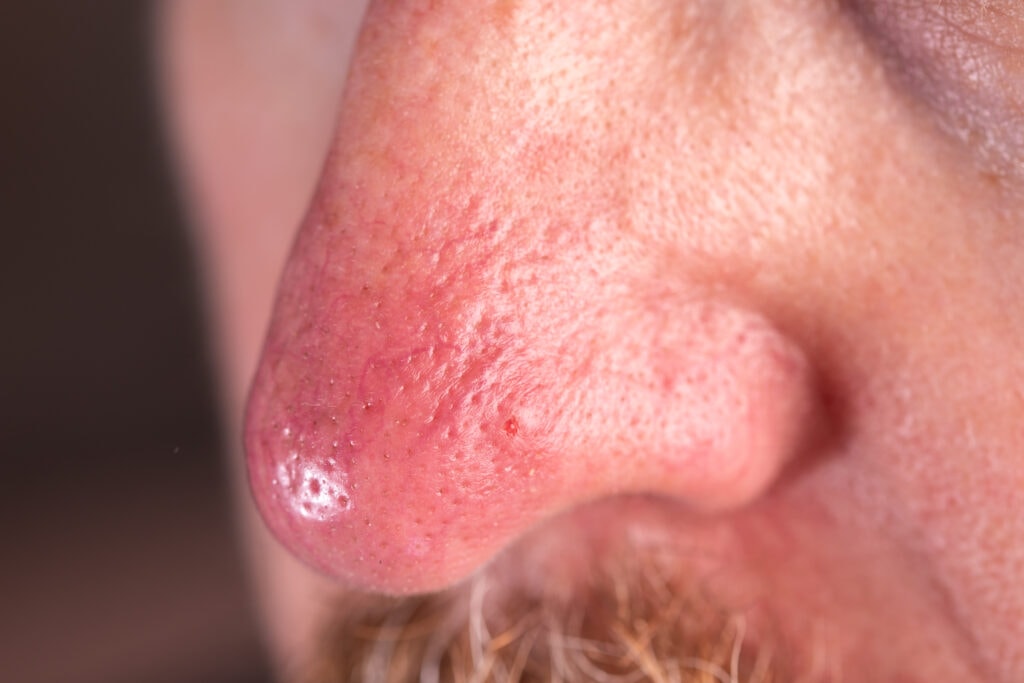
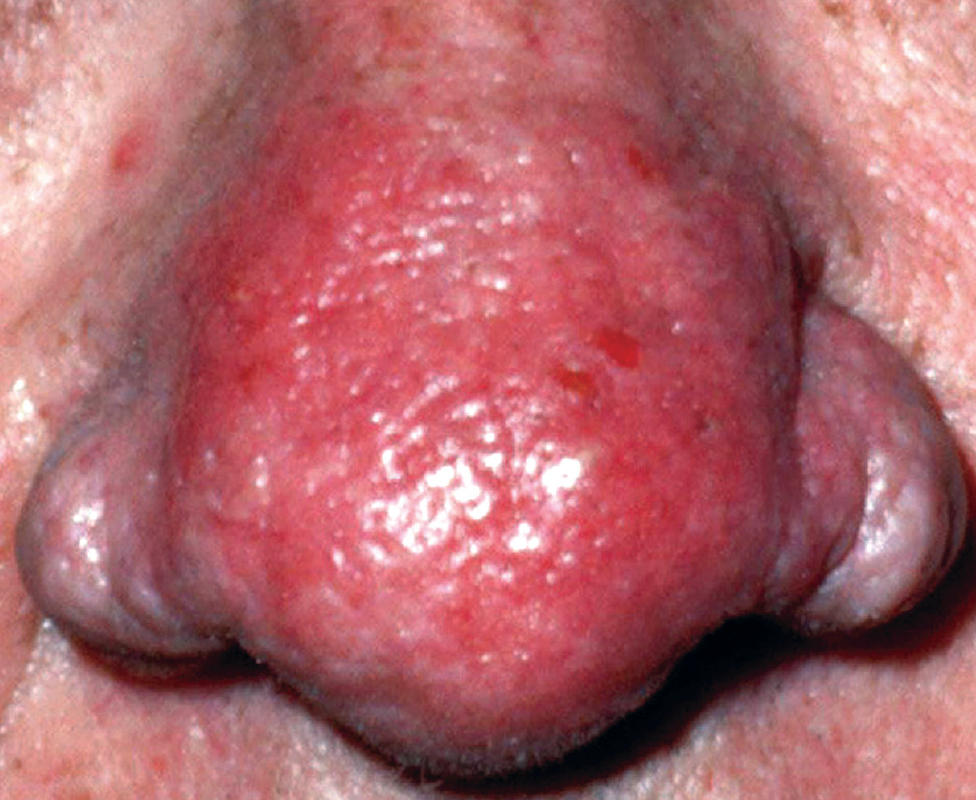
A less common subtype involving skin thickening and irregular surface texture, most often on the nose (rhinophyma). More common in men. Requires specialized treatment to address the structural changes in the skin.
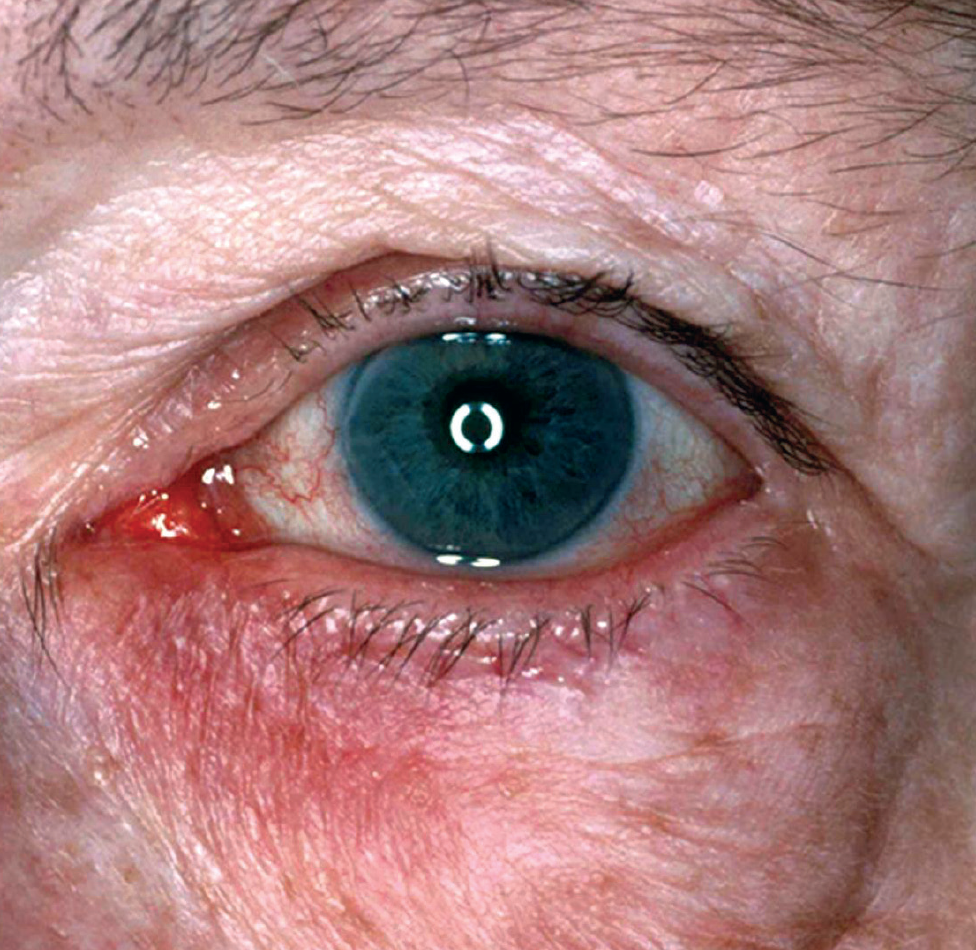
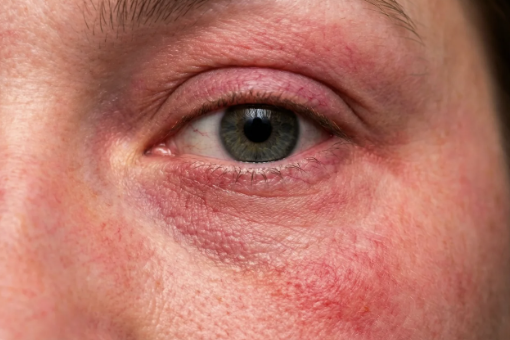
Ocular Rosacea
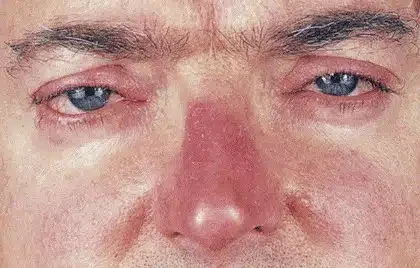
Affects the eyes and eyelids — causing redness, irritation, dryness, and a gritty sensation. Often occurs alongside facial rosacea but can appear independently. Requires coordination with an ophthalmologist for management.
Specialized Subtypes
These subtypes involve distinct underlying mechanisms — nervous system involvement and mite overpopulation — that require targeted treatment strategies beyond standard rosacea protocols.
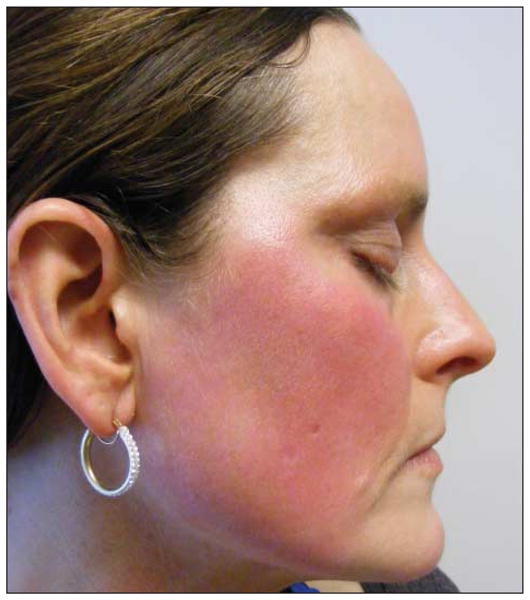
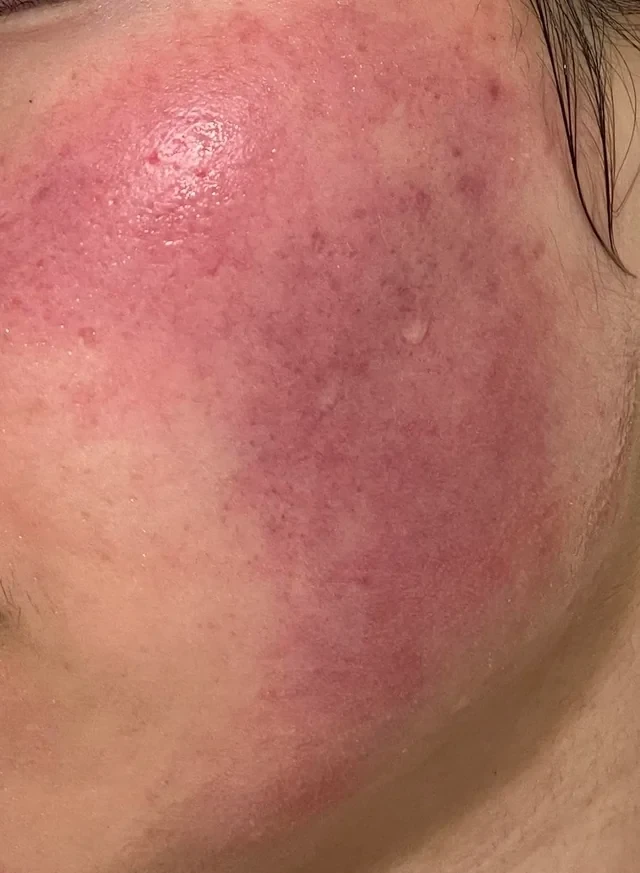
Neurogenic Rosacea
Driven by nervous system hypersensitivity — characterized by intense flushing, burning, and stinging that is disproportionate to visible redness. Triggers include heat, stress, spicy food, and alcohol.
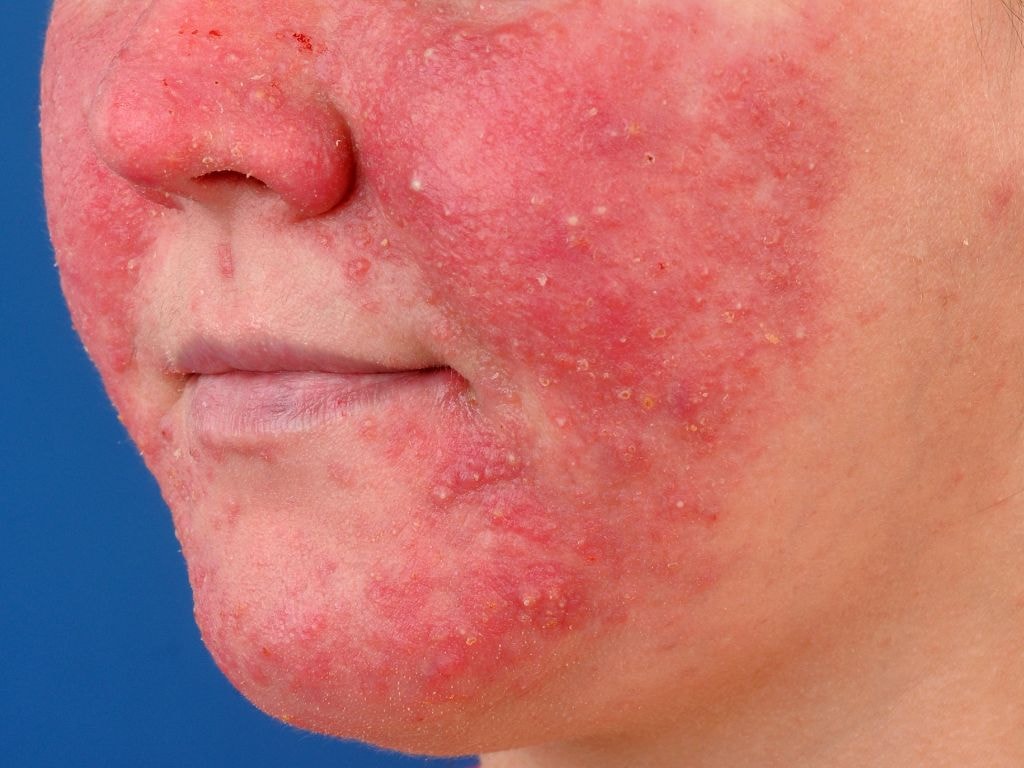
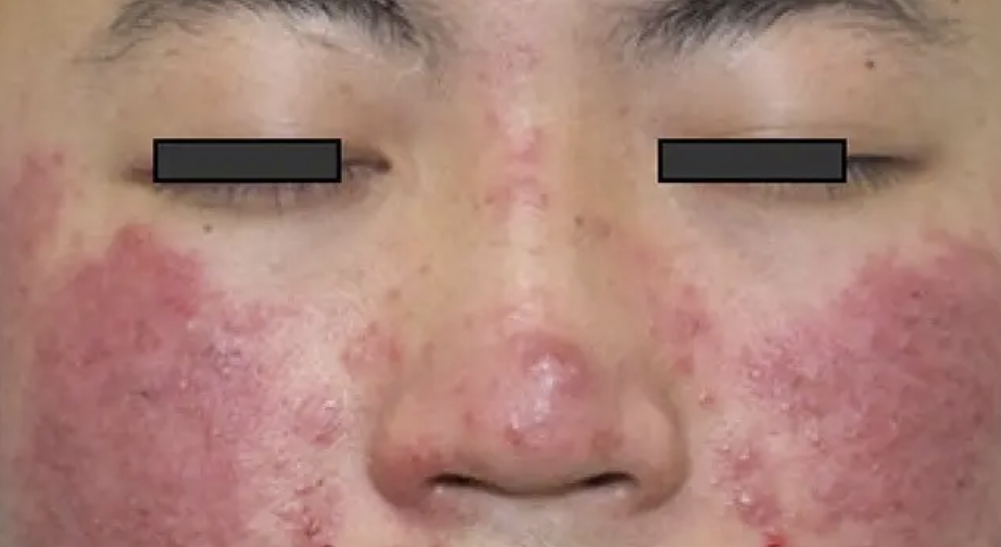
Rosacea with Demodex Overgrowth
Demodex mites are a normal part of skin flora, but overpopulation — common in rosacea-prone skin — can significantly worsen inflammation and reactivity. Addressing mite load is often a key component of effective rosacea management.
Rosacea Self-Assessment
Which Rosacea Subtype
Might You Have?
Answer 8 short questions about your skin to get a personalized overview of which rosacea subtype(s) your symptoms most closely align with.
This takes about 2 minutes. Your answers are not stored or shared — this tool runs entirely in your browser.
Disclaimer: This quiz is an educational tool only. Skin & Care Med Spa is not a dermatologist and cannot officially diagnose rosacea or any medical condition. Results are intended to help you identify possible patterns and seek confirmation with a licensed dermatologist or physician. Always consult a qualified healthcare provider for a formal diagnosis and medical treatment plan.
The Protocol
Treatments That Calm Without Aggravating
Every treatment in our rosacea toolkit is selected for its ability to reduce inflammation and improve skin resilience — without triggering the heat, friction, or chemical irritation that provokes flares.
Colorado Rescue Facial
The foundation of rosacea care
Our Colorado Rescue Facial is specifically designed for sensitized, reactive, and rosacea-prone skin. It focuses on barrier repair, inflammation reduction, and restoring the skin's natural equilibrium — without triggering a flare. Gentle actives, calming botanicals, and targeted modalities work together to reduce redness and rebuild resilience over time.
Learn about Colorado Rescue FacialJet Cold Plasma
Vascular reduction + anti-inflammatory
Cold plasma technology has a powerful anti-inflammatory effect and can target the visible blood vessels and diffuse redness associated with rosacea. It works by disrupting the inflammatory cascade at a cellular level — reducing redness, calming reactivity, and improving overall skin tone without heat-based irritation that can worsen flushing.
Learn about Jet Cold PlasmaThermoClear & Cautery
Targeted vessel clearance
High-frequency current can be precisely applied to individual broken capillaries and telangiectasia — the visible red vessels that are a hallmark of ETR rosacea. Each vessel is treated individually, making this one of the most effective options for reducing the appearance of persistent facial redness caused by dilated surface vessels.
Learn about ThermoClear & CauteryOxygen Treatment
Calming + barrier support
An oxygen-rich foam mask delivers anti-inflammatory peptides and barrier-supporting actives deep into the skin — without the friction or heat that can trigger rosacea flares. An excellent option for clients in active flare who need a calming, restorative treatment that won't aggravate sensitivity.
Learn about Oxygen TreatmentGlo2Facial
Oxygenation + gentle resurfacing
The Glo2Facial uses OxyPod technology to generate CO₂ bubbles that oxygenate the skin from within, combined with ultrasound infusion of calming serums. For rosacea clients, it offers a way to improve skin texture and radiance without the exfoliation intensity that can provoke reactivity.
Learn about Glo2FacialExtractions
Congestion clearance for papulopustular rosacea
For clients with papulopustular rosacea, professional extractions performed with the correct technique can clear congestion without triggering the inflammatory response that self-extraction causes. Combined with calming post-extraction treatment, this helps manage the breakout component of rosacea without worsening redness.
Learn about ExtractionsManaging Your Skin at Home
Know Your Triggers
Trigger avoidance is one of the most powerful tools in rosacea management. While professional treatment addresses the underlying inflammation and vascular changes, reducing trigger exposure prevents new flares and allows your skin to heal between appointments.
- Sun exposure — UV radiation is the most universal rosacea trigger and accelerates vascular damage
- Heat — hot showers, saunas, hot beverages, and warm environments all dilate blood vessels and provoke flushing
- Spicy food and alcohol — particularly red wine, which contains histamine and tannins that trigger vascular response
- Stress — cortisol and adrenaline directly stimulate the vascular and inflammatory pathways involved in rosacea
- Harsh skincare — physical exfoliants, high-percentage acids, and fragrance-heavy products disrupt the barrier and worsen reactivity
- Certain topical ingredients — retinol, benzoyl peroxide, and alcohol-based toners are common irritants for rosacea-prone skin
- Temperature extremes — cold wind and sudden temperature changes are frequent triggers, especially in Colorado's climate
- Over-cleansing — stripping the skin of its natural oils compromises the barrier and amplifies sensitivity
Professional Skincare
Shop Pomp Beauty
Nicole curates professional-grade skincare products through Pomp Beauty — a trusted platform connecting clients with esthetician-recommended formulas. Browse her personally selected picks to support your rosacea management between appointments.
Common Questions
Rosacea FAQs
Get Started
Your Best Skin Starts at Skin And Care Med Spa.
A consultation is where we assess your skin, identify your rosacea subtype, and design a protocol built specifically for you. No pressure — just a clear plan.
Other Conditions We Treat